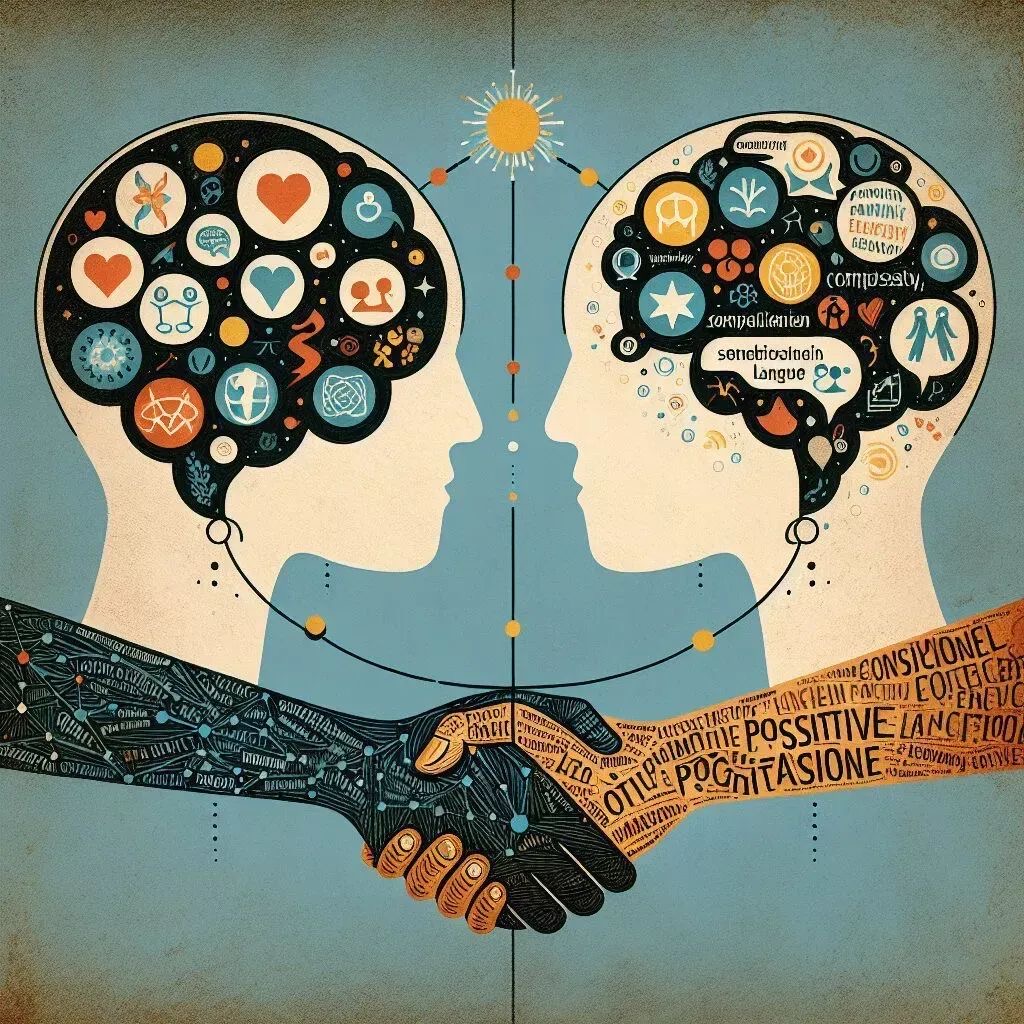
 Building Emotional Intelligence: Preparing for Results Season
 As the final exams wrap up and the quiet anticipation begins, schools enter one of the most delicate times of the year. For some students, the upcoming "results day" feels like a victory lap; for others, it feels like a looming judgment. In the hallway whispers and the nervous glances, it’s clear that many students have tied their entire self-worth to a few numbers on a page.
But as educators, we know that a report card is just a snapshot in time. To navigate this season, we need to lean on Emotional Intelligence (EI)—not as a buzzword, but as a survival kit. By focusing on EI now, we can help students handle whatever the envelope holds with grace and perspective.
What Does EI Actually Look Like in the Hallways?
Emotional Intelligence is essentially the "rudder" that steers us through stormy weather. It’s the ability to feel a wave of anxiety, recognize it for what it is, and choose how to act rather than just drowning in it.
In a school setting, we see EI in action when:
• A student feels disappointed but can still sincerely say "well done" to a friend.
• A classmate notices someone spiraling into "what-ifs" and offers a distracting joke or a listening ear.
• A student looks at a low grade and asks, "Where did I lose the thread?" instead of "Why am I a failure?"
Pre-empting the Panic: Preparation Before the Reveal
We shouldn't wait until the day results are released to talk about mental health. We need to set the stage weeks in advance.
The "Effort vs. Outcome" Shift
Teachers have a powerful megaphone here. We need to remind students that a grade measures how they performed on a specific Tuesday in March—it doesn't measure their kindness, their leadership, or their potential to change the world. When we celebrate the process—the late nights, the improved drafts, the grit—the final result feels less like a verdict and more like feedback.
Normalising the Nerves
Anxiety grows in the dark. By holding open discussions or "circle time" where students can vent their fears, the "scary" emotions lose their power. When a student realises their straight-A friend is just as nervous as they are, the isolation disappears.
The Role of the "Support Squad": Teachers and Parents
Results season is a team sport. If the school is saying "it's just a test" but the home environment is saying "don't come home without an A," the student is caught in the crossfire.
• Teachers as Anchors: We need to be the calm in the storm. Our job is to show students that our respect for them hasn't changed, regardless of the marks. We celebrate the "most improved" just as loudly as the "top of the class."
• Parents as Partners: The best thing a parent can say isn't "I'm sure you did great." It’s "I’m proud of how hard you worked, and we’ll figure out the next steps together, no matter what." That safety net is what builds true resilience.
Perspective: The Long Game
Whether a student smashes their goals or falls short, the lesson is the same: Resilience. For the high achievers, the lesson is humility and the understanding that success requires continued work. For those who are disappointed, the lesson is that a setback is a setup for a comeback. We have to remind them of the "hidden" curriculum—the sports teams they led, the art they created, and the friendships they built. Those things don't show up on a transcript, but they are the bedrock of a successful life.
Conclusion: More Than Just a Number
At the end of the day, we aren't just raising "test-takers"; we are raising humans. Building emotional intelligence isn't a one-off workshop; it’s the way we speak to each other every day.
As the results come in, the tone we set as an institution will stay with these students much longer than the grades themselves. If we prioritize growth, empathy, and character, we ensure that results season isn't something to be feared. It’s simply another chapter in a much longer, much more exciting story of who they are becoming.